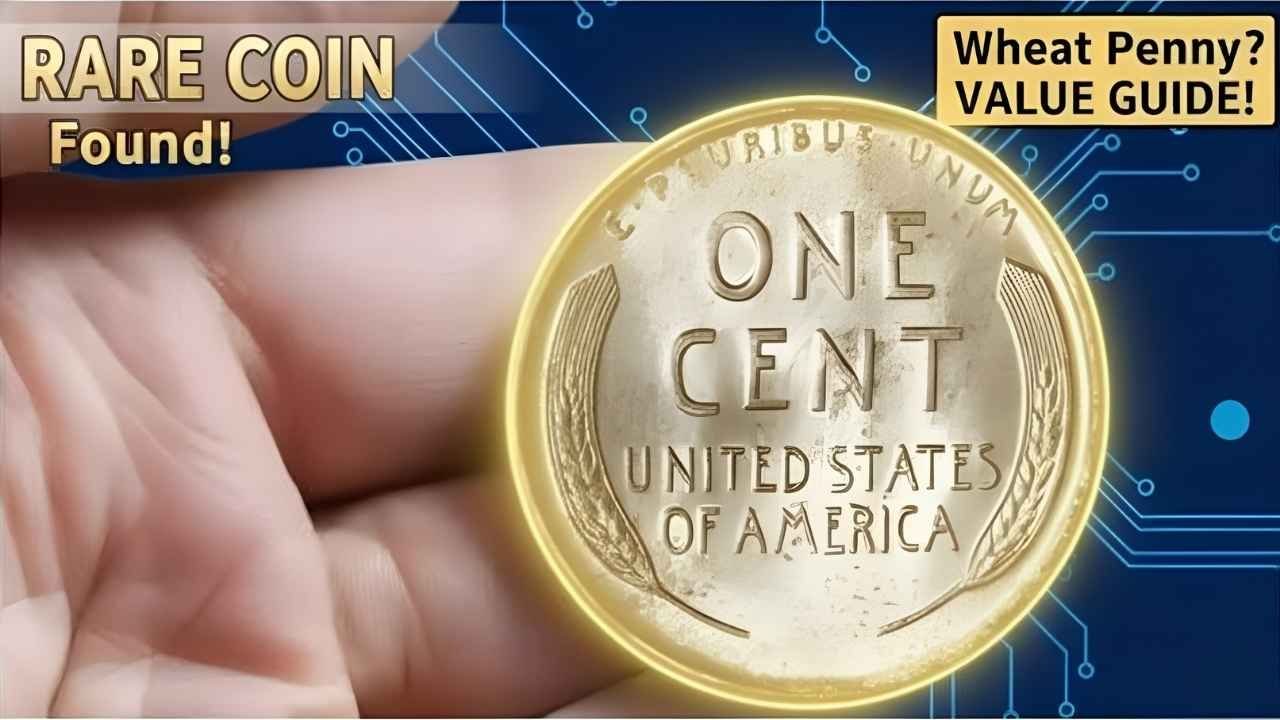
The Lincoln Wheat Penny, minted from 1909 to 1958, remains one of the most beloved and collectible coins in American history. Introduced to commemorate the centennial of Abraham Lincoln’s birth, it was the first U.S. coin to feature a real person. Designed by Victor David Brenner, its iconic reverse design with two wheat stalks symbolized prosperity and growth. For collectors, the Wheat Penny represents more than currency—it is a tangible piece of history, blending artistry, rarity, and investment potential.
Why Collectors Cherish Wheat Pennies
Collectors are drawn to Wheat Pennies for several reasons. They are historically significant, widely recognized, and, despite large production numbers, certain dates and mintmarks are exceptionally rare. Affordable common coins make the series accessible to beginners, while rare varieties and high-grade specimens attract advanced collectors seeking both aesthetic beauty and financial value.
Key Dates and Rare Varieties
Some Wheat Pennies are considered “key dates” due to their rarity and desirability among collectors. Notable examples include:
- 1909-S VDB: Featuring designer Victor David Brenner’s initials, this coin is highly sought after, with values ranging from hundreds to tens of thousands depending on condition.
- 1914-D: Scarce in higher grades, often worth thousands.
- 1922 No D: A minting error omitting the Denver mintmark, highly prized by collectors.
- 1931-S: Low mintage makes it valuable across all grades.
- 1955 Doubled Die: Famous for its dramatic doubling on the obverse, instantly recognizable and extremely valuable.
These key dates serve as milestones for collectors building complete sets or searching for investment-grade coins.
Wheat Penny Value Trends
Over the past decade, Wheat Penny values have steadily increased. Common coins from the 1940s and 1950s remain affordable, often selling for 10 to 50 cents in circulated condition. In contrast, rare dates and error coins have seen substantial appreciation. Auction records demonstrate that collectors are willing to pay premium prices for high-grade examples, with some coins fetching tens of thousands of dollars.
Wheat Penny Price Chart Overview
While exact values depend on grading and condition, general price ranges for Wheat Pennies include:
- 1909–1919: Common dates $1–$20; rarities like the 1909-S VDB can reach tens of thousands.
- 1920–1929: Typical coins $0.50–$10; the 1922 No D error can command thousands.
- 1930–1939: Circulated coins under $1; 1931-S can fetch hundreds to thousands.
- 1940–1949: Affordable $0.10–$5, with high-grade examples worth more.
- 1950–1958: Most coins $0.10–$1; rare errors like the 1955 doubled die can exceed tens of thousands.
These ranges reflect the interplay of rarity, condition, and collector demand.
Factors Influencing Value
Several key factors determine the value of Wheat Pennies:
- Date and Mintmark: Scarce issues from San Francisco (S) and Denver (D) often carry higher value.
- Condition: Coins with sharp details, original luster, and minimal wear command top prices.
- Errors and Varieties: Doubled dies, missing letters, and unusual minting anomalies significantly increase desirability.
- Collector Demand: Strong interest in Lincoln cents ensures values remain stable or rise over time.
Understanding these elements is crucial for both casual collectors and serious investors.
Collecting Strategies
Building a complete Wheat Penny set from 1909 to 1958 is a rewarding pursuit. Beginners can start with affordable circulated coins, gradually adding higher-grade or rare varieties as knowledge and budget allow. Advanced collectors often focus on certified, high-grade specimens to maximize long-term value. Emphasizing key dates, rare mintmarks, and notable errors ensures a collection that is both historically meaningful and financially promising.
Preserving Wheat Pennies
Proper preservation is essential to maintain a coin’s value. Coins should be stored in protective holders or albums to prevent damage from handling, moisture, or environmental fluctuations. Cleaning is strongly discouraged, as it can reduce worth and diminish collectible appeal. Professional grading services provide authentication and condition verification, enhancing marketability and long-term security.
The Collector’s Value Guide
The Wheat Penny series offers a spectrum of opportunities for collectors. Common dates provide an accessible entry point, while rare varieties and high-grade specimens represent significant investment potential. Over the last decade, rare coins have seen substantial appreciation, demonstrating that these small pieces of copper carry enduring value.
Conclusion
The Wheat Penny price chart from 1909 to 1958 is more than a list of numbers—it is a reflection of history, artistry, and the thrill of collecting. From coins worth mere cents to rarities valued at tens of thousands, each Wheat Penny tells a story about America’s past. For collectors, enthusiasts, and investors alike, these coins offer both nostalgia and the potential for financial reward, ensuring that the Lincoln Wheat Penny remains a cornerstone of American numismatics for generations to come.