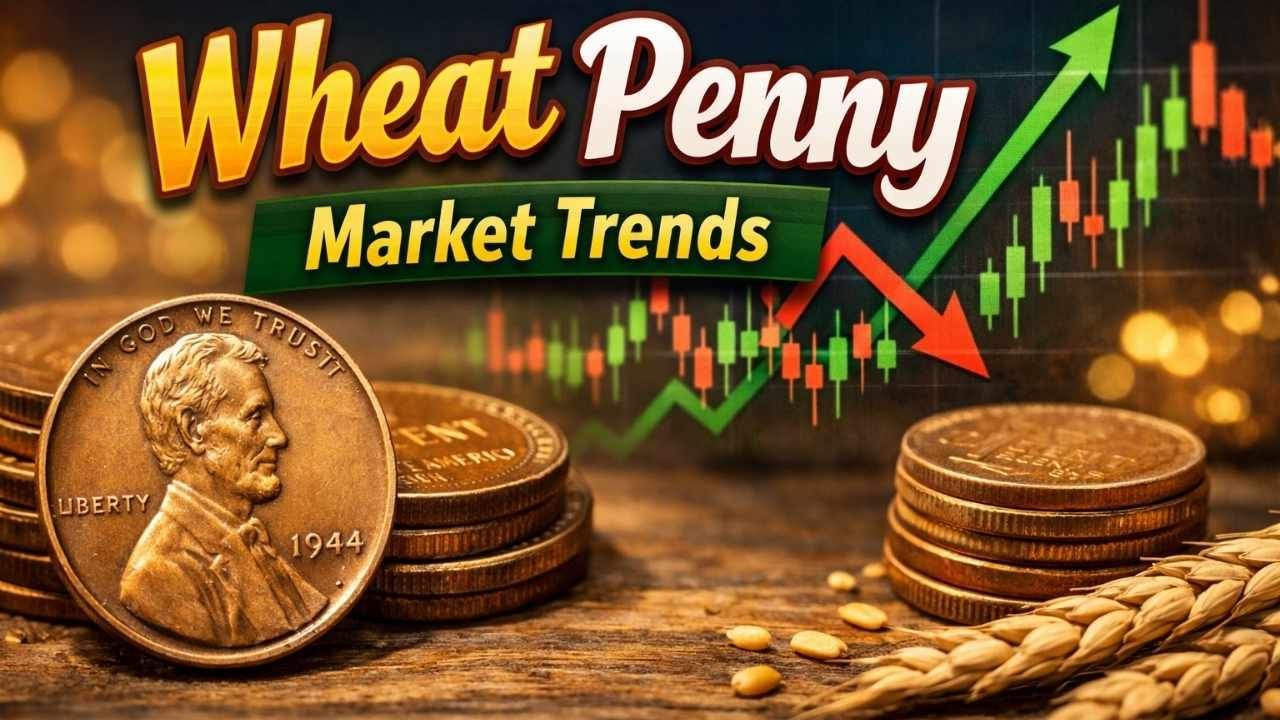
The Lincoln Wheat Penny remains one of the most iconic and widely collected coins in American numismatic history. Struck from 1909 to 1958, this small copper coin carries immense historical weight and, in some cases, remarkable financial value.
Over the past decade, the market for rare Wheat Pennies has experienced steady appreciation, driven by growing collector demand, digital auction platforms, and increased interest in tangible alternative assets. For serious collectors and strategic investors alike, understanding these trends is essential.
Historical Significance and Enduring Appeal
Introduced in 1909 to honor the 100th anniversary of Abraham Lincoln’s birth, the Wheat Penny was groundbreaking. It was the first U.S. coin to feature a real historical figure rather than a symbolic representation of liberty.
Designed by Victor David Brenner, the coin’s obverse displays Lincoln’s profile, while the reverse features two wheat stalks framing the denomination. This simple yet elegant design symbolizes growth and prosperity, themes that still resonate with collectors today.
In 1959, the reverse was replaced with the Lincoln Memorial design, ending the Wheat Penny era. Yet decades later, the original wheat-backed cents continue to captivate collectors worldwide.
Market Trends: 2016–2026
Over the past ten years, the Wheat Penny market has demonstrated consistent upward momentum, particularly for rare dates, mint errors, and high-grade examples.
1. Growth in Rare Varieties
Key dates such as the 1909-S VDB and 1914-D have seen substantial appreciation. Coins once considered high-end collectibles are now premium investment-grade assets.
Several standout varieties have doubled—or in some cases nearly doubled—in value:
- 1909-S VDB: From approximately $25,000 in 2016 to over $50,000 in 2026 for high-grade examples.
- 1914-D: From $10,000 to $20,000+ in mint-state condition.
- 1922 No D: From $7,500 to $15,000+, reflecting sustained demand.
- 1943 Bronze Cent: Rising from roughly $400,000 to over $840,000.
- 1944 Steel Cent: Increasing from around $200,000 to more than $400,000.
These gains reflect not only scarcity but also heightened awareness through digital auction platforms and social media communities.
2. Steady Demand for High-Grade Coins
Condition remains a dominant value driver. Professionally graded coins in Mint State (MS65 and above) have significantly outperformed lower-grade examples. Third-party grading has strengthened buyer confidence, reducing risk in high-value transactions.
Collectors are increasingly prioritizing certified coins, especially for five- and six-figure purchases.
3. Modest Gains for Common Dates
Common Wheat Pennies from the 1940s and 1950s remain accessible, typically valued between $3 and $10 in uncirculated condition. While appreciation has been modest, these coins continue to serve as an entry point for new collectors.
Accessibility keeps the hobby vibrant, while rarities anchor the investment side of the market.
Key Drivers Behind the Market Surge
Several structural factors have contributed to the past decade’s upward trend.
Increased Digital Accessibility
Online marketplaces and auction platforms have made rare coins more visible and globally accessible. Collectors no longer rely solely on local dealers; they compete in real time with buyers worldwide.
Tangible Asset Appeal
During periods of economic uncertainty, tangible assets such as rare coins often gain attention as alternative stores of value. Wheat Pennies, with their historical pedigree and limited supply, fit naturally into diversified collectible portfolios.
Media Exposure and Viral Discoveries
Stories of six-figure and even million-dollar pennies have fueled curiosity. High-profile sales create ripple effects, drawing new participants into the hobby.
Professional Grading Expansion
The expansion of professional grading services has standardized quality assessment. Clear grading benchmarks increase liquidity and help stabilize pricing across the market.
Risk Factors in the Wheat Penny Market
No collectible market is without risk. As values rise, so do potential pitfalls.
Counterfeits and Alterations
Rare dates such as the 1909-S VDB and 1943 Bronze cent are frequently counterfeited. Altered mint marks and copper-plated steel cents are common traps for inexperienced buyers. Authentication is essential for high-value acquisitions.
Overpricing and Hype
Market enthusiasm can sometimes lead to inflated asking prices. Not every Wheat Penny is rare, and collectors should evaluate recent auction results before making major purchases.
Market Cycles
Although the long-term trajectory has been positive, short-term fluctuations are possible. Economic shifts can temporarily soften demand for discretionary collectibles.
Smart Strategies for Collectors
For those entering or expanding within the Wheat Penny market, a disciplined approach yields the best results.
Focus on Key Dates First
Build a foundation around recognized rarities with proven demand.
Prioritize Condition and Certification
High-grade, professionally graded coins typically outperform lower-quality examples over time.
Study Auction Data
Recent realized prices provide better guidance than retail listings.
Start with Common Dates
Affordable Wheat Pennies allow beginners to learn grading, mint marks, and authentication without significant financial exposure.
Outlook for the Next Decade
Looking ahead, the Wheat Penny market appears positioned for continued stability and selective growth. Rare varieties with strong historical narratives are likely to maintain premium demand. Mint-state examples of key dates may see further appreciation as population reports confirm their scarcity.
The supply of truly exceptional coins is finite. As more examples enter long-term collections, availability tightens, potentially supporting future price growth.
At the same time, digital innovation—including improved auction transparency and global bidder participation—continues to modernize the numismatic landscape.
Final Thoughts
The Lincoln Wheat Penny is more than a small copper coin—it is a tangible piece of American history and a gateway into serious numismatics. Over the past ten years, rare varieties have demonstrated impressive appreciation, reinforcing their dual appeal as collectibles and alternative assets.
For seasoned collectors, the focus remains on quality and rarity. For newcomers, the opportunity lies in education and patience.
Whether discovered in an inherited collection or acquired through strategic investment, a Wheat Penny carries both story and substance. In a world increasingly driven by digital assets, the enduring value of historical coinage offers something refreshingly solid—history you can hold in your hand, and in some cases, an asset that continues to grow with time.