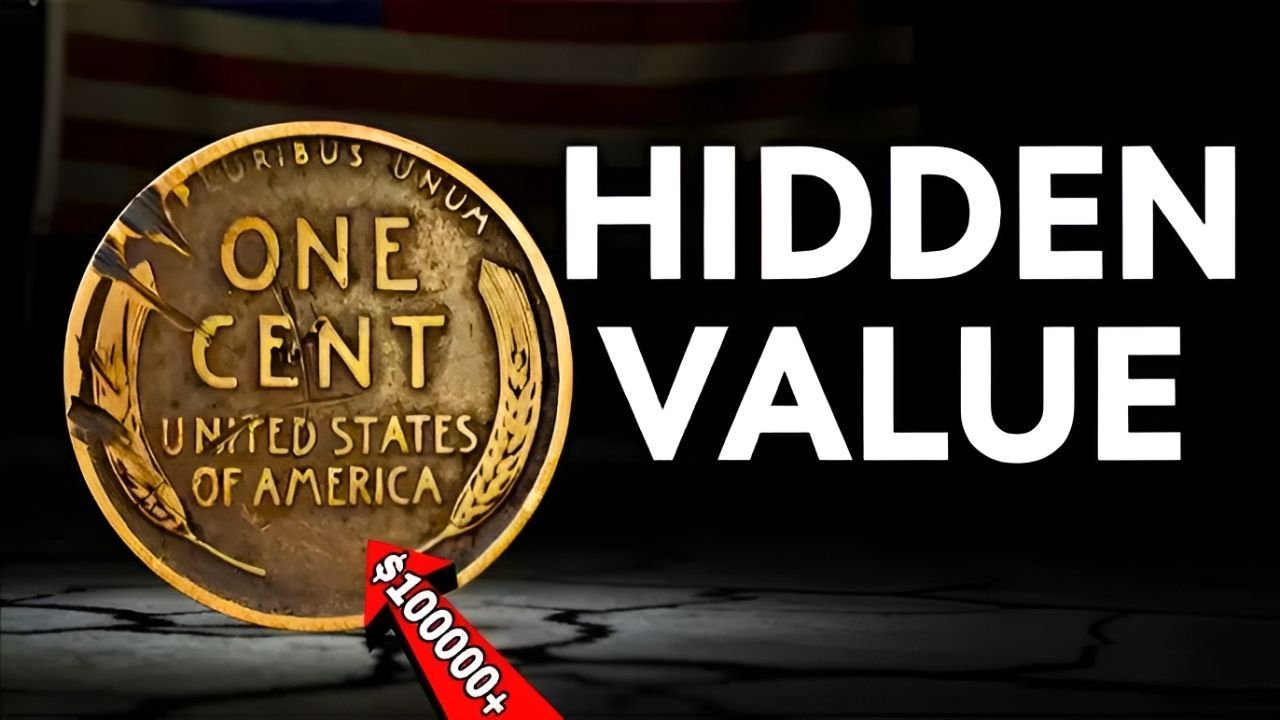
Lincoln Wheat Pennies may appear to be ordinary coins, but a select few are worth far more than most luxury homes. Minted from 1909 to 1958, the majority of Wheat Pennies are common and inexpensive. Yet, certain ultra-rare varieties have achieved legendary status among collectors, with values exceeding $100,000. These coins are prized not only for their rarity but for the unique stories behind their creation—wartime shortages, design controversies, or minting errors that were never intended to exist.
This guide highlights the top three rare Wheat Pennies that have crossed the $100,000 mark and explains why collectors consider them must-have treasures.
The 1943 Bronze Lincoln Wheat Penny
The 1943 Bronze Wheat Penny is often regarded as the holy grail of Lincoln cents. During World War II, copper was diverted for military equipment, prompting the U.S. Mint to produce pennies on zinc-coated steel planchets. This made nearly all 1943 pennies steel, easily identified with a magnet.
A few bronze planchets from 1942 were accidentally left in the minting presses and struck with the 1943 date. Only a few dozen authentic 1943 bronze pennies are known across all mints. Their extreme rarity, combined with the compelling wartime backstory, makes them incredibly desirable. Well-preserved examples have sold for over $100,000, with some reaching several hundred thousand dollars at auction.
Collectors value these coins not only for their price but also for their legendary status in American numismatics. The 1943 bronze penny remains one of the most famous error coins in history, representing a tangible piece of wartime production challenges.
The 1909 S VDB Lincoln Wheat Penny
The 1909 S VDB Wheat Penny holds a special place in the hearts of collectors. As the first year of the Lincoln cent, it marked the 100th anniversary of Abraham Lincoln’s birth. Designed by Victor David Brenner, the coin initially displayed his initials, VDB, prominently on the reverse.
Public backlash over the size of the initials prompted the Mint to remove them shortly after production began. Consequently, only a limited number of coins bearing the VDB initials were struck at the San Francisco Mint, with a mintage of just 484,000.
High-grade examples with strong detail and original surfaces are extremely scarce. When discovered in near-mint or mint state condition, these coins have sold for over $100,000. Collectors prize the 1909 S VDB penny not only for its rarity but also for its historical significance as the inaugural Lincoln cent and the controversy surrounding its design.
The 1955 Doubled Die Obverse Wheat Penny
The 1955 Doubled Die Obverse Wheat Penny is one of the most visually dramatic error coins ever produced by the U.S. Mint. This error occurred when the obverse die received a misaligned second impression during production, causing strong doubling on the date and inscriptions.
The words LIBERTY and IN GOD WE TRUST appear boldly doubled, making the error immediately noticeable even without magnification. Unlike subtle doubled dies, this one is unmistakable and instantly recognizable.
Although several thousand examples are believed to exist, many entered circulation before the error was discovered, and most surviving coins show wear. High-grade specimens, however, are extremely rare and have sold for well over $100,000 at auction. The combination of visual appeal, documented history, and scarcity has made the 1955 doubled die a collector favorite.
Why These Wheat Pennies Are So Valuable
The exceptional value of these coins stems from a combination of rarity, demand, condition, and historical significance. Each coin represents a unique moment in U.S. minting history that cannot be replicated. Collectors are willing to pay premium prices because these pennies are widely recognized, thoroughly researched, and considered elite pieces within the numismatic community.
High-grade examples command even greater premiums, as many circulated before their importance was understood. The 1943 bronze, 1909 S VDB, and 1955 doubled die pennies are benchmarks in collecting, often forming the centerpiece of serious Wheat Penny collections.
Identifying Potential Hidden Treasures
While these coins are rare, discoveries still happen. Collectors should pay attention to key dates, mint marks, and unusual features:
- 1943 pennies: Test with a magnet to rule out steel examples.
- 1909 S VDB: Verify the San Francisco mint mark and check for the VDB initials.
- 1955 doubled die: Examine the date and lettering for noticeable doubling.
Professional authentication and grading are essential for confirming a coin’s legitimacy and maximizing its market value. Counterfeit or altered examples exist, so only certified coins from trusted sources should be bought or sold.
Final Thoughts for Collectors
The top three rare Wheat Pennies worth over $100,000 are more than valuable coins—they are symbols of history, craftsmanship, and chance. Each one tells a story: wartime urgency, design controversy, or an unintentional minting error that slipped through unnoticed.
For collectors, these coins represent the ultimate dream finds. Even if ownership remains out of reach, understanding their history and significance deepens appreciation for the Lincoln Wheat Penny series. From the legendary 1943 bronze to the iconic 1909 S VDB and the visually striking 1955 doubled die, these pennies embody the thrill and allure of rare coin collecting.