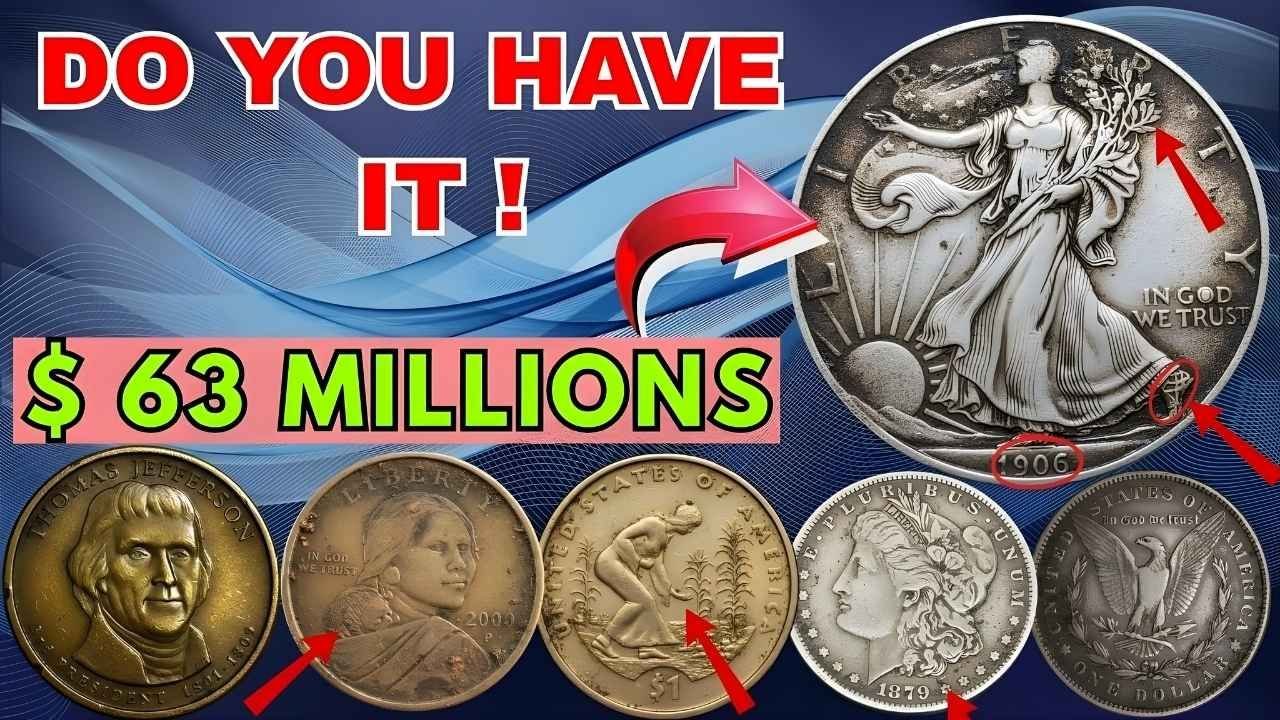
One dollar coins occupy a unique place in American financial history. Though paper currency dominates daily transactions, the silver and clad dollar coins of the past carry artistic distinction, precious metal content, and — in certain cases — extraordinary value.
While most $1 coins trade close to face value or melt price, select key dates and rare varieties have become four-, five-, and even seven-figure collectibles. For investors and collectors alike, understanding which dollar coins command premiums could turn an overlooked piece of change into a meaningful asset.
Here is what you need to know about rare one dollar coins worth thousands.
The Evolution of the American Dollar Coin
The first official U.S. silver dollar was struck in 1794, marking the beginning of a long and storied series. Over time, several iconic designs defined different eras of American coinage.
Among the most collected and valuable are:
- Morgan Dollar (1878–1921)
- Peace Dollar (1921–1935)
- Eisenhower Dollar (1971–1978)
- Sacagawea Dollar (2000–present)
Each series reflects the economic, political, and cultural priorities of its time. While many examples remain common, scarcity within specific years and mint marks drives exceptional values.
What Makes a One Dollar Coin Valuable?
Before examining specific coins, it is essential to understand the factors that influence price.
Rarity
Low mintage figures or limited survival rates significantly increase value. Coins produced in small quantities or heavily melted down tend to command strong premiums.
Condition
Grading determines much of a coin’s market value. Mint State examples — especially those graded MS-65 or higher — often sell for multiples of circulated specimens.
Mint Mark
Coins struck at certain facilities, such as Carson City (CC) or San Francisco (S), can be rarer than their Philadelphia counterparts.
Errors and Varieties
Minting anomalies such as doubled dies, overdates, or die alignment issues create collectible varieties with added value.
Historical Importance
Coins tied to major historical milestones often attract greater collector demand.
With these factors in mind, let’s examine some of the most valuable dollar coins.
1893-S Morgan Dollar
The 1893-S is widely regarded as the key date of the Morgan series. Only 100,000 pieces were minted at the San Francisco Mint, making it the lowest regular-issue mintage of the series.
In circulated grades, examples often sell between $1,000 and $3,000. In Mint State condition, values can exceed $100,000, with exceptional specimens reaching even higher at auction.
For serious collectors building a Morgan Dollar set, this coin represents a pinnacle acquisition.
1889-CC Morgan Dollar
Carson City issues carry a special mystique among collectors. The 1889-CC, struck at the historic Nevada mint, is among the rarest Morgan Dollars.
Lower-grade examples typically sell in the low thousands. High-grade specimens graded MS-65 or above frequently command $50,000 or more. Demand for Carson City coinage remains consistently strong due to its frontier-era heritage and limited production.
1921 Peace Dollar (High-Relief)
The 1921 Peace Dollar marked the debut of the series created to commemorate peace following World War I. Early 1921 coins were struck in high relief, making them visually striking but difficult to produce.
While many circulated examples trade modestly above silver value, high-grade examples can reach several thousand dollars. The historical symbolism and first-year status make this coin particularly appealing to collectors.
1794 Flowing Hair Silver Dollar
The Flowing Hair Dollar is widely believed to represent the first official silver dollar issued by the United States.
Surviving examples are exceptionally rare, and high-grade specimens are among the most valuable coins in the world. One remarkable example sold for over $10 million, establishing a record at the time.
Even heavily circulated examples command significant six- or seven-figure prices due to their foundational place in American numismatic history.
2000 Sacagawea Dollar (Cheerios / Wide Rim Variety)
Modern coins can also hold surprising value. In 2000, a small number of Sacagawea Dollars included in promotional cereal boxes featured enhanced tail feather detail — commonly known as the “Cheerios” variety.
Another notable version, the Wide Rim (or “Close AM”) variety, displays distinct spacing differences in the design.
High-grade examples of these varieties can sell for thousands of dollars, proving that even contemporary issues deserve close inspection.
Silver Content and Bullion Value
Many older dollar coins — particularly Morgan and Peace Dollars — contain 90% silver. Even common-date examples hold intrinsic value based on precious metal content.
When silver prices rise, so does the baseline value of these coins. Rare dates benefit from both bullion support and collector premiums, creating a dual-layer investment dynamic.
How to Identify a Rare Dollar Coin
If you suspect you have a valuable dollar coin, follow these steps:
- Check the date and mint mark carefully.
- Inspect for unusual details or strike anomalies.
- Evaluate surface condition under magnification.
- Compare weight and specifications to official standards.
- Consider professional grading from reputable services.
Authentication is critical for high-value pieces. Counterfeit key-date Morgan and early silver dollars are common in the marketplace.
Market Outlook for Rare Dollar Coins
High-quality, key-date silver dollars continue to attract strong demand from both domestic and international collectors. Auction results over the past decade demonstrate sustained interest in rare Carson City issues, early federal coinage, and top-grade certified examples.
While common-date coins fluctuate primarily with silver prices, rarities operate in a different tier — often insulated from short-term bullion volatility.
For diversified collectors and alternative asset investors, rare dollar coins represent tangible wealth with historical depth.
Final Thoughts
Most one dollar coins are modest collectibles. But within certain dates, mint marks, and varieties lie hidden treasures worth thousands — and in rare cases, millions.
From the frontier mystique of the Morgan Dollar to the historic significance of America’s first silver dollar, these coins tell the story of a growing nation — struck in silver and preserved in time.
The next time you examine an old dollar coin, take a closer look. What appears ordinary could be an extraordinary piece of American financial history — and potentially a remarkable addition to your portfolio.