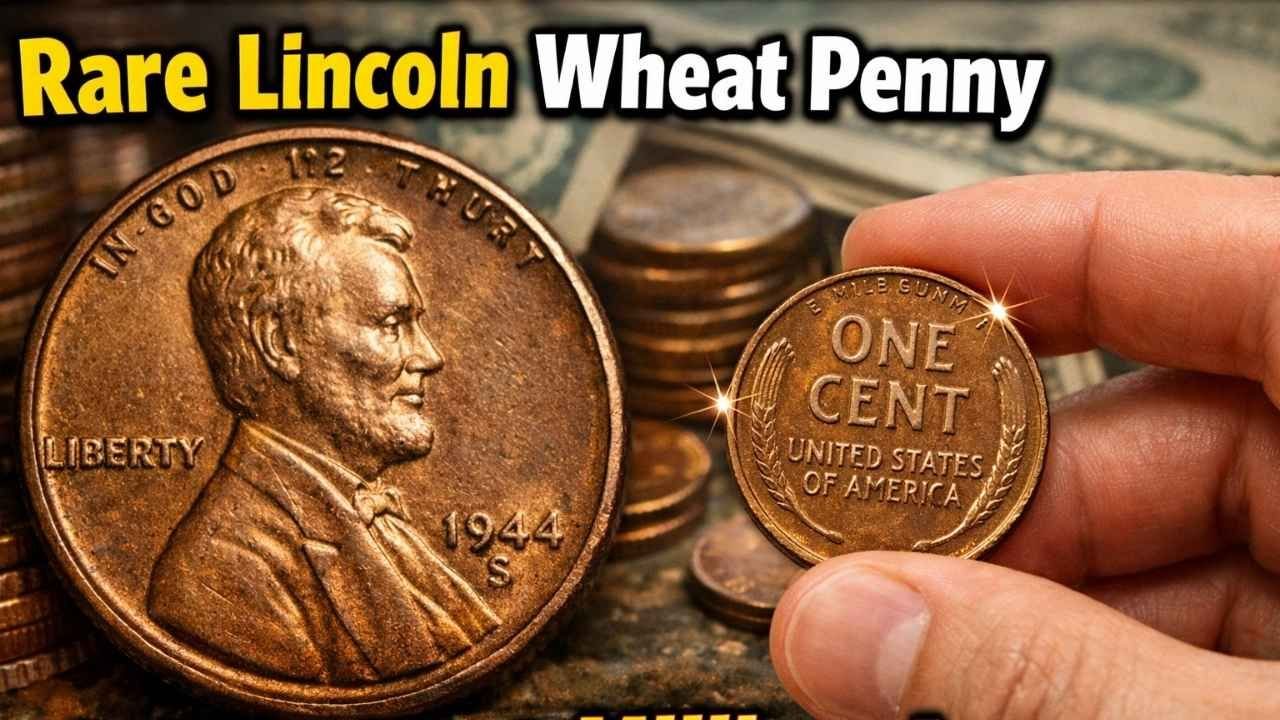
The Lincoln Wheat Penny is one of the most iconic coins ever produced in the United States. For many, it is a nostalgic reminder of childhood coin collections and pocket change discoveries. For serious collectors and investors, however, certain rare varieties represent six- and even seven-figure opportunities.
While the majority of Wheat Pennies are worth only a modest premium over face value, a select few have achieved legendary status in the numismatic market. Understanding what makes these coins valuable could mean the difference between overlooking a common cent and identifying a life-changing find.
The Birth of an American Classic
The Lincoln cent debuted in 1909 to commemorate the 100th anniversary of the birth of Abraham Lincoln. It marked a historic shift in American coinage — the first time a real person appeared on a circulating U.S. coin.
The coin was designed by sculptor Victor David Brenner. His portrait of Lincoln, based on a photograph by Mathew Brady, presented a dignified and realistic depiction that resonated with the public.
The reverse featured two stylized wheat stalks framing the denomination, giving rise to the name “Wheat Penny.” This design remained in circulation until 1958, when it was replaced by the Lincoln Memorial reverse.
Over nearly five decades, billions of Wheat Pennies were struck — but a handful stand apart as extraordinary rarities.
Historical Forces That Created Rare Varieties
The Wheat Penny circulated through some of the most transformative periods in American history, including the Great Depression and World War II. Economic pressures and wartime material shortages directly impacted coin production.
In 1943, copper was needed for military equipment, prompting the U.S. Mint to produce pennies using zinc-coated steel planchets. The following year, production returned to copper-based alloy.
These material transitions led to minting mistakes — and those errors created some of the rarest coins in American history.
The Wheat Pennies Worth Millions
1943 Bronze Penny
In 1943, pennies were supposed to be struck in steel. However, a few leftover bronze planchets from 1942 were accidentally used. The result: a tiny number of 1943 bronze cents.
Fewer than two dozen authentic examples are believed to exist across all mints. One specimen sold for approximately $840,000, and private sales have reportedly exceeded $1 million depending on grade and provenance.
1944 Steel Penny
In 1944, the opposite error occurred. A small number of leftover steel planchets were used after the Mint resumed copper production. These 1944 steel cents are similarly rare and have sold for hundreds of thousands of dollars at auction.
1909-S VDB
The 1909-S VDB is among the most famous key dates in American coin collecting. The initials “VDB,” representing Victor David Brenner, appeared prominently on the reverse of early 1909 issues. Public criticism led to their removal shortly after release.
Only 484,000 examples were struck at the San Francisco Mint before the initials were withdrawn. High-grade examples can exceed $50,000.
1914-D
The 1914-D Wheat Penny, struck in Denver, had a relatively low mintage. While not an error coin, scarcity has driven prices upward for decades. Mint State examples regularly command five-figure prices.
1922 No D
In 1922, only the Denver Mint produced Lincoln cents. Due to die wear and striking issues, some coins appear without the “D” mint mark. These “No D” varieties are highly collectible and can reach $15,000 or more in top grades.
What Makes These Coins So Valuable?
The extraordinary prices associated with rare Wheat Pennies stem from four core factors:
1. Rarity
Coins with extremely low surviving populations naturally command premiums. The fewer examples available, the higher the competition among collectors.
2. Historical Context
Coins tied to significant historical events — such as wartime production changes — carry added appeal.
3. Condition
Grade dramatically affects value. A rare Wheat Penny in Mint State (MS-65 or higher) can be worth multiples of the same coin in circulated condition.
4. Authenticity
Because of their high value, rare Wheat Pennies are frequently counterfeited. Authentication from leading grading services like Professional Coin Grading Service and Numismatic Guaranty Company is essential before any significant transaction.
How to Identify a Valuable Wheat Penny
If you come across a Wheat Penny, examine it carefully.
Check the date and mint mark located beneath the year. Look for unusual color on 1943 and 1944 issues — a 1943 penny that appears copper-colored deserves immediate attention.
Use a magnet. Genuine 1943 steel cents are magnetic, while bronze versions are not. Conversely, a 1944 steel cent will be magnetic, while standard 1944 copper cents are not.
Inspect for doubling in lettering or numbers, which may indicate valuable die varieties.
Finally, evaluate condition. Coins with strong detail, original luster, and minimal wear are always more desirable.
Market Trends and Investment Outlook
The market for rare Wheat Pennies has remained strong for decades. High-grade key dates continue to appreciate steadily, particularly coins with certified authenticity and documented provenance.
While common Wheat Pennies are widely available and affordable, rare varieties function more like alternative assets. They combine tangible precious metal content with historical scarcity — a compelling mix for collectors and diversified investors.
As time passes, surviving high-grade examples become increasingly scarce. Long-term demand from both domestic and international buyers supports sustained market interest.
Risks to Consider
As values rise, so do risks.
Counterfeit 1943 bronze cents are frequently created by altering 1948 coins or copper-plating steel examples. Altered mint marks are also common.
Always verify weight, magnetic properties, and professional certification before purchasing high-value pieces.
Overpaying is another concern. Market values fluctuate, and hype can temporarily inflate prices. Research and professional consultation remain critical.
Why the Wheat Penny Endures
Beyond financial value, the Lincoln Wheat Penny carries cultural significance. It represents innovation in coin design, resilience through economic hardship, and the enduring legacy of Abraham Lincoln.
Its familiar wheat stalk reverse evokes a simpler era of American life, while its rare varieties fuel modern collecting excitement.
For beginners, Wheat Pennies offer accessibility and education. For advanced collectors, they present strategic acquisition opportunities. For investors, select key dates provide tangible assets with strong historical demand.
Final Thoughts
Most Lincoln Wheat Pennies are modest collectibles. But hidden among them are coins worth thousands — and in rare cases, millions.
Understanding dates, mint marks, composition changes, and grading standards is essential for anyone hoping to uncover one of these extraordinary pieces.
The next time you examine an old penny, take a closer look. A small copper coin from the early 20th century could represent far more than one cent — it could be a remarkable chapter of American history, and perhaps a multimillion-dollar discovery.