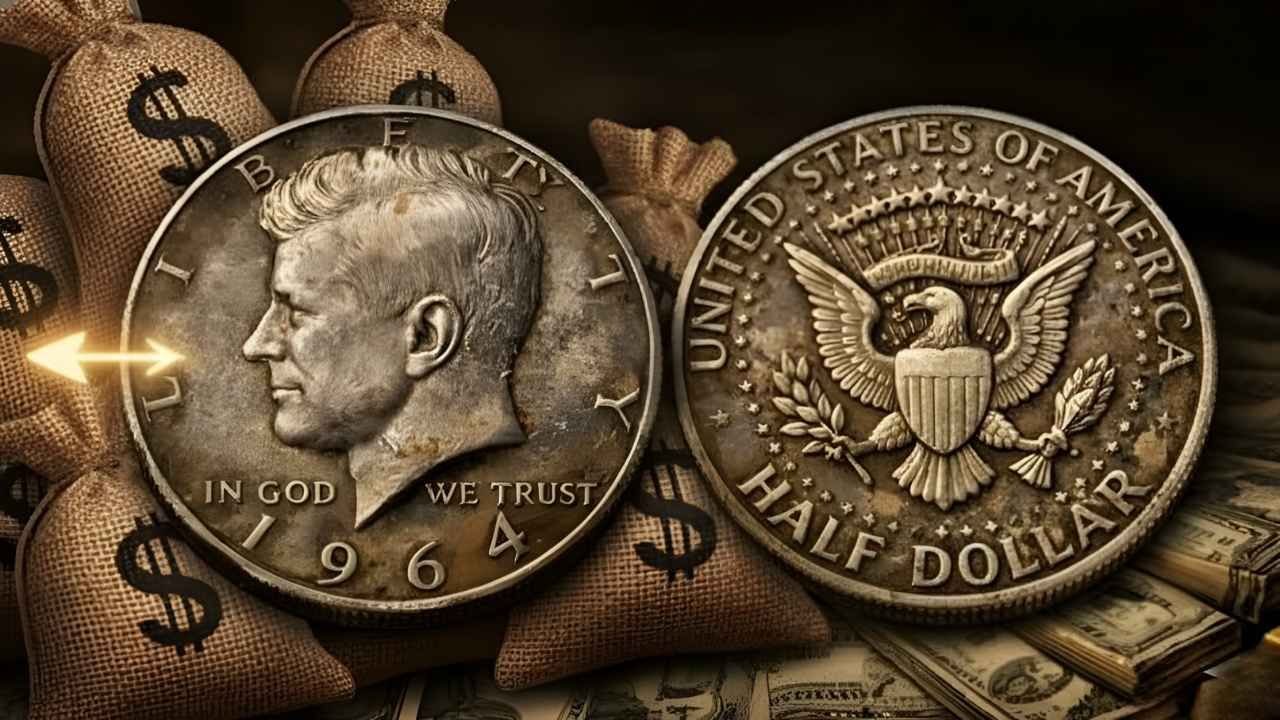
The Sacagawea dollar, first introduced in 2000, was designed to honor the legacy of the Shoshone woman Sacagawea, who famously guided the Lewis and Clark expedition. Depicting her carrying her infant son Jean Baptiste, the coin’s distinctive golden color and elegant design immediately set it apart from other U.S. currency. Although it never became widely used in everyday transactions, by 2026 the Sacagawea dollar has cemented its place in numismatic collections, valued for its artistry, historical significance, and collectible rarity.
Composition and Appearance
Despite its nickname as the “golden dollar,” the Sacagawea coin does not contain actual gold. Its composition includes a copper core with a manganese brass outer layer, giving it a rich golden hue. In addition, silver versions exist, primarily in proof sets and special collector releases. These silver coins are far rarer than standard circulation issues and consistently command higher premiums due to their limited mintage and reflective, mirror-like finish. Collectors distinguish sharply between standard golden coins and silver proofs, with condition, rarity, and provenance heavily influencing value.
Mint Marks and Their Importance
Mint marks provide critical insight into a coin’s origin and scarcity. In 2026:
- P (Philadelphia): Standard circulation strikes.
- D (Denver): Regular circulation issues with slightly lower collector appeal than proofs.
- S (San Francisco): Proof coins, highly sought after due to limited production and superior finish.
Collectors monitor mint marks closely, as certain issues with low mintage or special release designations can significantly increase value. Proof coins, particularly those from San Francisco, remain central to premium collections.
Error Coins and Their Premiums
Among Sacagawea dollars, error coins represent some of the most compelling and valuable pieces. Mistakes such as doubled dies, off-center strikes, or wrong planchet errors can transform an ordinary coin into a rare treasure. In 2026, these errors continue to attract strong interest, with some examples selling for thousands of dollars. The appeal of these coins extends beyond their rarity, offering a fascinating glimpse into the minting process and the precise mechanics of coin production.
Silver Proofs and Collector Appeal
Silver proofs of the Sacagawea dollar are produced exclusively for collectors, not circulation. Struck with polished dies, these coins boast mirror-like finishes that highlight every detail of the design. Limited production numbers make silver proofs especially valuable, and in 2026 they remain cornerstone items for serious collectors. Condition, demand, and scarcity are key factors in determining their market price, with high-grade examples consistently achieving premium valuations.
Misconceptions About Gold Content
The coin’s golden appearance often leads casual holders to mistakenly believe it contains precious metal. In reality, the Sacagawea dollar’s value comes from its design, historical significance, and collectible rarity rather than intrinsic metal content. Understanding the distinction between appearance and composition is essential for collectors assessing market value, ensuring that both golden circulation coins and silver proofs are properly evaluated.
Collector Insights for 2026
The Sacagawea dollar market in 2026 reflects both stability and excitement. While most circulation coins retain face value, rare issues and silver proofs command significant premiums. Key considerations for collectors include:
- Condition and Grading: Mint State or high-grade coins achieve the highest value.
- Mint Marks: Certain mint facilities and proof designations indicate rarity.
- Error Coins: Limited anomalies can dramatically increase market value.
- Silver Proofs: Premium collectibles with mirror-like finishes.
- Historical Significance: The coin’s cultural and artistic impact adds intangible value.
Collectors emphasize the importance of careful inspection, professional grading, and proper storage to maintain or increase a coin’s market value over time.
Market Trends and Future Outlook
Despite limited everyday use, the Sacagawea dollar has carved out a unique niche in modern numismatics. In 2026, collectors and investors continue to seek out rarities, proof sets, and error coins, ensuring steady demand. The combination of distinctive design, historical resonance, and collectible variety secures the coin’s ongoing relevance. High-grade silver proofs and rare error examples, in particular, are expected to maintain or increase in value, appealing to both new and seasoned collectors.
Final Thoughts
The 2026 Sacagawea dollar value guide highlights the importance of understanding composition, mint marks, and rarity. While golden circulation coins remain accessible and historically meaningful, silver proofs stand out as premium collectibles, and error coins provide additional avenues for discovery and investment. Whether pursuing pristine proofs, rare errors, or standard golden issues, the Sacagawea dollar continues to inspire collectors with its cultural significance and enduring appeal, offering both aesthetic enjoyment and potential financial reward.
Disclaimer: Coin values fluctuate based on condition, rarity, and market demand. Always consult professional grading and appraisal services before buying or selling Sacagawea dollars.